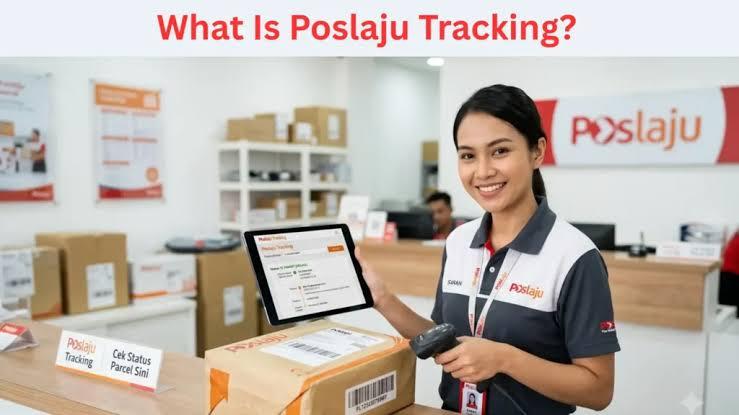
If you’ve searched for a way to track a Poslaju parcel, you’ve probably noticed there isn’t just one obvious place to check status — there are several independent tools, each pulling from the same underlying courier data but presenting it a little differently. That’s not a problem; it’s actually useful, especially when one source is slow to update or a status looks unclear. This guide covers how to get the most reliable read on your Poslaju shipment by knowing what each type of tracking tool is good for.
Why Multiple Tracking Tools Exist for One Courier
Poslaju is Malaysia’s national express courier, handling everything from Shopee and Lazada orders to business shipments and personal parcels. Because so much e-commerce traffic runs through it, independent tracking tools have sprung up to make checking a parcel’s status faster and clearer than digging through an order app.
These tools all query the same shipment data, but they differ in interface speed, how they explain status codes, and how current their information is at any given moment. That’s exactly why checking more than one is a smart habit rather than a redundant one.
What a Good Poslaju Tracking Tool Should Show You
Regardless of which one you use, look for:
- Real-time status — in transit, out for delivery, at a hub, or delivered
- Plain-language explanations of what each status actually means
- Last scan location, so you know where the parcel currently sits
- No account requirement — a tracking number should be all you need
When One Tool Isn’t Enough
Most of the time, a single tracker gives you everything you need. But there are moments when checking a second source pays off:
When a status hasn’t updated in a while. A second tool might be pulling a fresher sync from the courier’s system, especially if the first appears cached.
When a status looks ambiguous. Different tools sometimes phrase the same underlying code differently — a second explanation can clarify what’s actually happening.
When you’re troubleshooting a delay. Cross-checking confirms whether the stall is real or just a display lag on one particular tool.
For exactly this reason, keeping a second reference like https://poslajutracking.io/ bookmarked alongside your usual tracker gives you a quick way to double-check a status without waiting on customer support.
A Simple Way to Use Two Tools Together
- Check your primary tracker first, since that’s likely the one you’re used to reading quickly.
- If the status is unclear or stale, check the second tool with the same tracking number.
- Compare the last scan timestamps. Whichever shows the more recent update is the one to trust for your next decision.
- Only escalate to courier support if both tools agree the parcel has genuinely stalled.
- Bookmark both so the habit costs you nothing extra next time you’re tracking a parcel.
Reading Poslaju Statuses Correctly
Picked Up / Booked. The parcel is in the system; movement should begin shortly.
In Transit. Standard movement between facilities — the status you’ll see longest, especially for East Malaysia routes.
Out for Delivery. A rider has the parcel today. Keep your phone reachable.
At Ezibox / Held for Pickup. Delivery routed to a locker or branch; you’ll need to collect it, sometimes with a code or ID.
Delivered. Confirmed received. Report discrepancies the same day for the clearest record.
Tips for Fewer Delivery Headaches
Save your tracking number the moment you get it. Don’t rely on digging through app notifications later.
Check status in the morning, not just when you’re expecting the rider. Early checks give you time to adjust plans if something’s delayed.
Confirm your address includes a clear unit or landmark. Vague addresses are the top cause of failed Poslaju deliveries.
Answer calls from unfamiliar local numbers on delivery day. Riders call from personal phones, and a missed call often means a rerouted parcel.
Keep both tracking tools bookmarked, not just one. It costs nothing and saves time the one time your usual tool is slow to update.
FAQs
Why are there multiple Poslaju tracking websites? They’re independent tools built on the same underlying courier data, each offering a slightly different interface, update speed, or explanation of statuses.
Do I need an account to track a Poslaju parcel? No. A reliable tracker only needs your tracking number.
What should I do if my tracking status hasn’t updated in days? Check a second tracking tool to rule out a display lag, then contact courier support if both confirm no movement.
What does “Ezibox” mean in a Poslaju status? It means your parcel was routed to a Poslaju self-service locker for pickup, usually with a code sent to your phone.
Is it worth bookmarking more than one tracking site? Yes — a quick second check is useful whenever a status looks stale or unclear on your usual tool.
Final Thoughts
Poslaju tracking doesn’t have to rely on a single source. Use your regular tracker for daily checks, and keep a second tool on hand for the moments a status looks stale or confusing. Cross-checking takes seconds and saves you from either panicking too early or missing a delivery you should have been watching.